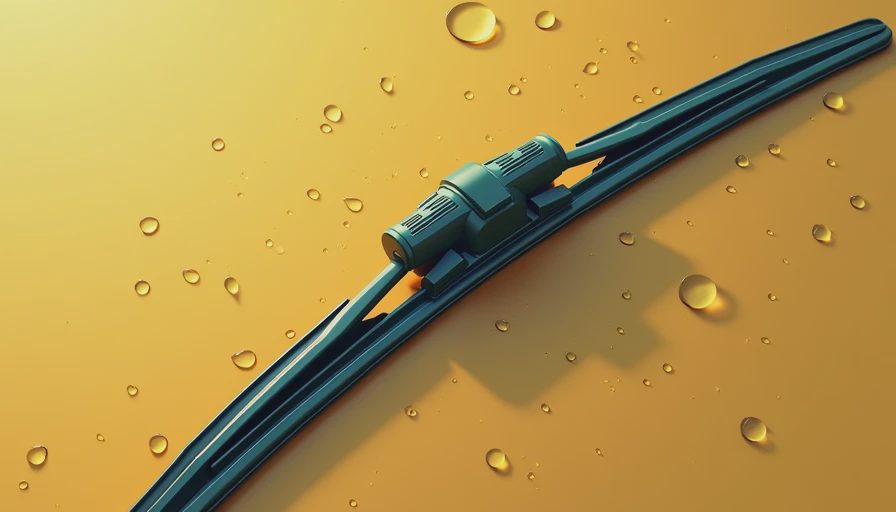
If you’re looking for the best windshield wiper blades, you’re probably tired of streaks, chattering, or that one blade that leaves a wet arc right in your line of sight. I get it. I’ve been there — driving home from work in a Charlotte thunderstorm, barely able to see the taillights ahead, cursing the cheap blades I grabbed at the gas station. Wiper blades are one of those parts people don’t think about until they need them, and by then, it’s usually raining hard. Let’s cut through the noise and figure out what actually works for your car, your budget, and your local weather.
I’ve tested a handful of the most popular options over the past few months — on my wife’s SUV, my old pickup, and a couple of friends’ cars. I also talked to a few mechanics I trust. Here’s what I found.
What Makes a Wiper Blade “Best”?
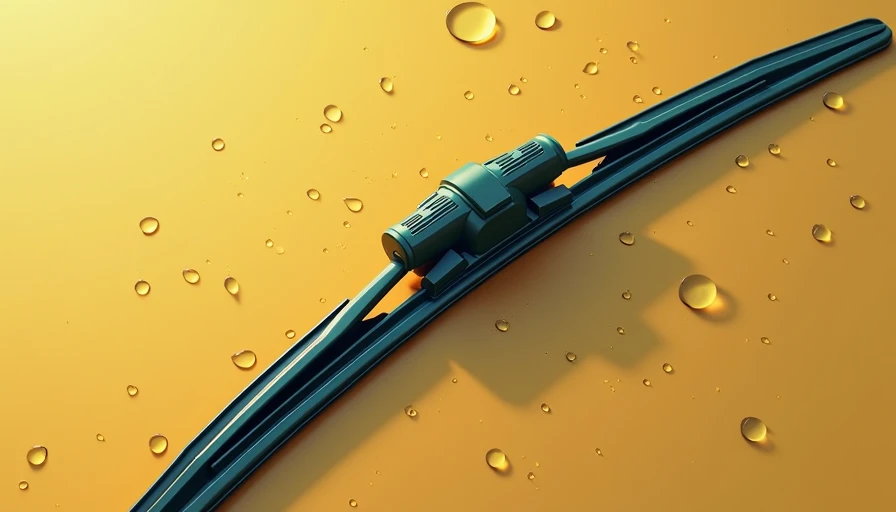
Not all wiper blades are the same, and the “best” one for a Texas drought won’t be the same as for a Pacific Northwest drizzle. The three main types are conventional (metal frame with a rubber squeegee), beam-style (one solid curved piece), and hybrid (beam with a plastic cover). Beam blades generally perform better because they apply even pressure across the curve of your windshield. That means less streaking and longer life. But they cost more.
For most daily drivers in the US, a quality beam blade from a known brand is the sweet spot. You’ll pay $12 to $30 per blade, depending on size and brand. That’s still cheaper than a single car wash package at some places. Don’t buy the $5 specials at the discount store unless you enjoy swapping blades every two months.
Another factor: the rubber compound. Some blades use graphite-coated rubber for a smoother glide. Others use a silicone-infused material that resists cracking in heat. If you park outside in the sun, that matters. So does the climate where you live.
My Top Picks for the Best Windshield Wiper Blades
After testing, here are the three I’d recommend for the widest range of drivers.
**Bosch Icon** — This is the gold standard for a reason. It uses a beam design with a dual-rubber compound that clears water without smearing. The fitment is precise, and the bracket adapts to different wiper arms without extra adapters. It’s quiet, lasts about a year in average conditions, and costs around $25 each. I’ve run these on my SUV for two years with no issues. If you only buy one set, make it these.
**Rain-X Latitude** — A close second. These are also beam blades, but they’re a bit cheaper at around $15 each. They include Rain-X’s water-repelling coating, which does help bead water away at higher speeds. The trade-off is that the coating wears off after a few months, and the blade itself might not last as long as the Bosch in extreme heat. Still, for the money, they’re solid. I put a set on my pickup last fall, and they’re holding up fine through a North Carolina winter.
**Michelin Stealth Ultra** — A hybrid design that blends conventional and beam features. They’re quiet and clear well, but the plastic housing can crack in icy weather if you don’t lift them off the glass. They’re about $20 each. I’d recommend these if you live in a moderate climate and want something that lasts a bit longer than the Rain-X.
There are also budget options like the **Anco 31-Series** (about $10) that work fine for a season, but expect to replace them more often. If you’re renting or about to sell the car, that might be the move. Otherwise, spend the extra $10.

How to Choose the Right Size and Type
First rule: do not guess the size. Look up your car’s year, make, and model in the vehicle fitment guide on the wiper box or the manufacturer’s website. Most cars take two different lengths — driver and passenger. For example, a 2020 Honda CR-V uses a 26-inch on the driver side and a 16-inch on the passenger. Mixing them up won’t fit or will hit the A-pillar.
Second rule: decide on style. If your car has a curved windshield (most newer cars do), buy beam blades. They conform better. If your car is older with a flat glass, conventional blades can work fine. Hybrids are a middle ground, but I think they’re mostly marketing.
Third rule: check the connector type. Some cars use a hook-style arm, others a pinch-tab or side-lock. Brands include multiple adapters, but open the box in the store to make sure before you leave. Nothing worse than getting home and realizing the blade won’t clip on.
Installation Tips (You Can Do This Yourself)
Installing wiper blades is about as difficult as changing a light bulb. You don’t need a mechanic. Lift the arm away from the windshield, press the release tab (usually a small button or a squeeze lever), and slide the old blade off. Snap the new one on until it clicks. Done. Just be careful — that arm is spring-loaded and can snap back and crack your glass if you let go.
A few pro tips: put a towel over the windshield while you work to avoid scratching the glass with the metal arm. And if the new blade doesn’t feel snug or leaves a gap, check the adapter again. Some blades come with multiple adapters; you might need to swap them.
When to Replace Your Wiper Blades
A good rule of thumb is every six to twelve months, depending on how much you drive and where you park. If you park in a garage, they’ll last longer. If your car sits in the sun in Phoenix, expect to replace them twice a year. Signs it’s time: streaking, chattering, skipping, a worn-out look to the rubber, or that annoying squeak that makes you cringe every time you hit the washer button.
Don’t wait until the next storm hits. Buy a set now and keep the old ones as spares in the trunk. They’re small, cheap insurance for visibility.
Bottom Line
The best windshield wiper blades for most people are the Bosch Icon or Rain-X Latitude. Spend the $20 to $30 per blade and you won’t think about them again for a year. Skip the cheap store brand blades that streak from day one. Your safety and your sanity are worth the price.
If you’ve got a specific car in mind, check the manufacturer’s fitment guide and pick a beam-style blade from a name you recognize. That’s the formula. Now go swap those old blades before it rains again.