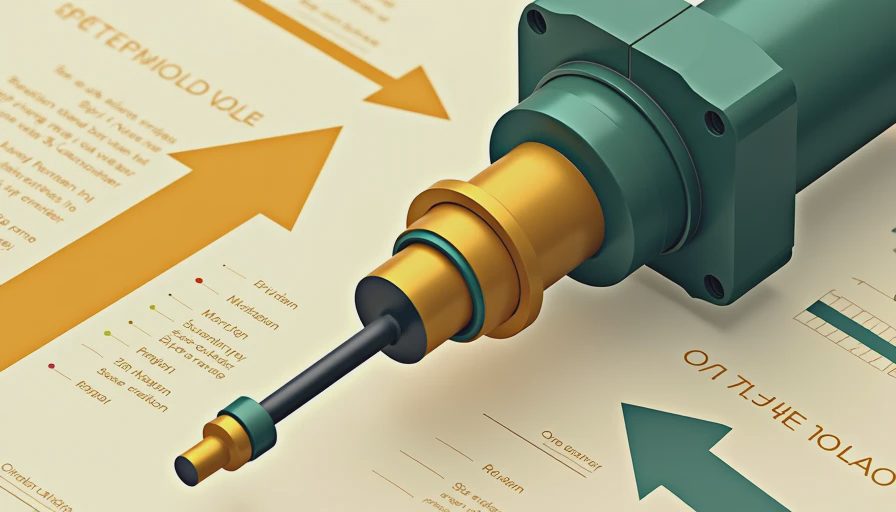
If you've ever had a car die on you in a parking lot for no obvious reason, only to start back up ten minutes later, you've probably met a failing crankshaft sensor. In my years appraising trade-ins and selling new cars, I've seen this little part cause more headaches than almost any other sensor. And when you're shopping for a used car, knowing what a bad crankshaft sensor feels like can save you from buying a problem that's easy to hide.
This sensor tells the engine computer where the crank is in its rotation. When it goes bad, the car may stall, hesitate, or refuse to start at all. Dealers don't always fix it before putting a car on the lot. They'll clean the terminals, clear the code, and hope you don't test-drive it long enough for the issue to come back. So let's talk about what to look for.
How to Spot a Bad Crankshaft Sensor During a Test Drive
A failing crankshaft sensor gives you clues. The most common one is intermittent stalling. The car dies at a stoplight, then starts right up. Or it hesitates when you hit the gas from a stop. Some cars crank but don't fire until the third or fourth try. If you feel any of that during a test drive, walk away unless the seller is willing to replace the sensor before you buy.
Another sign: the check engine light might be on, but it could have been reset recently. Bring a cheap OBD-II scanner with you. Plug it in and see if any pending codes are stored. A P0335 or P0336 code points straight to the crankshaft sensor or its circuit. If the seller says "it just needs a tune-up," don't believe it. A crankshaft sensor isn't a tune-up item.
Why a Bad Sensor Affects More Than Just Starting
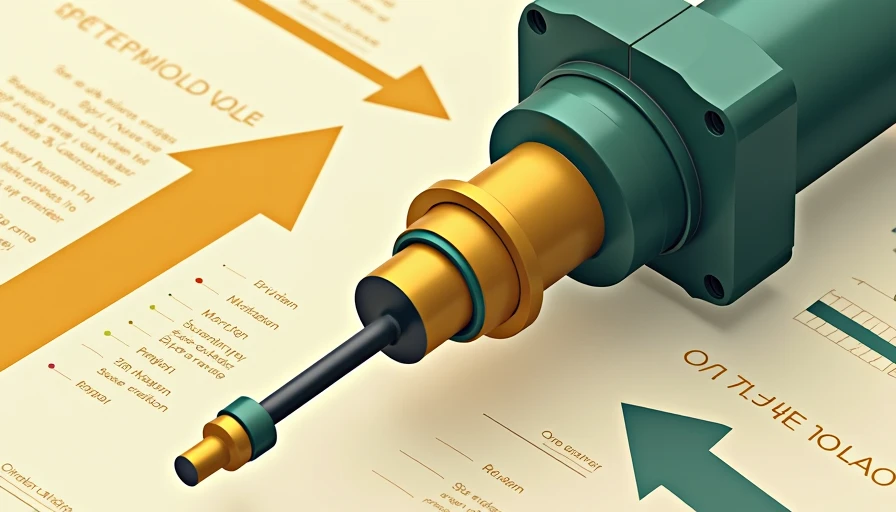
A faulty crankshaft sensor doesn't just risk leaving you stranded. It can also cause the engine to run lean or rich, which over time damages the catalytic converter. That's a thousand-dollar repair out of warranty. On some cars, a bad sensor will kill the fuel pump relay or disable the ignition entirely. I've seen trade-ins with a dead sensor that the owner thought was a dead battery. They'd jump it, it would run for a few minutes, then die again. That's the crankshaft sensor scrambling the ECU's timing.
For a family car, reliability is everything. You don't want to be stuck on the side of the road with kids in the back because a $80 sensor failed. And if you're financing the car, a breakdown like that can trigger a missed payment chain — but that's a different kind of headache.
The Hidden Cost of a Bad Sensor on Used Car Pricing
When I appraised trade-ins, a car with a known crankshaft sensor issue lost $500 to $1,000 in value instantly. That's because we knew the repair was cheap but the diagnosis wasn't always quick. A shop might spend an hour chasing wiring issues before they swap the sensor. So when you're negotiating on a used car, point out any stalling or hard-starting behavior. Tell the salesperson you suspect the crankshaft sensor. If they argue, walk. More often than not, they'll call you back and offer a discount or agree to fix it.
Remember: a dealer can replace a crankshaft sensor for under $200 in parts and labor. That's a small price to secure a sale. If they won't do it, they know there's another problem.
Should You Buy a Car with a Bad Crankshaft Sensor?
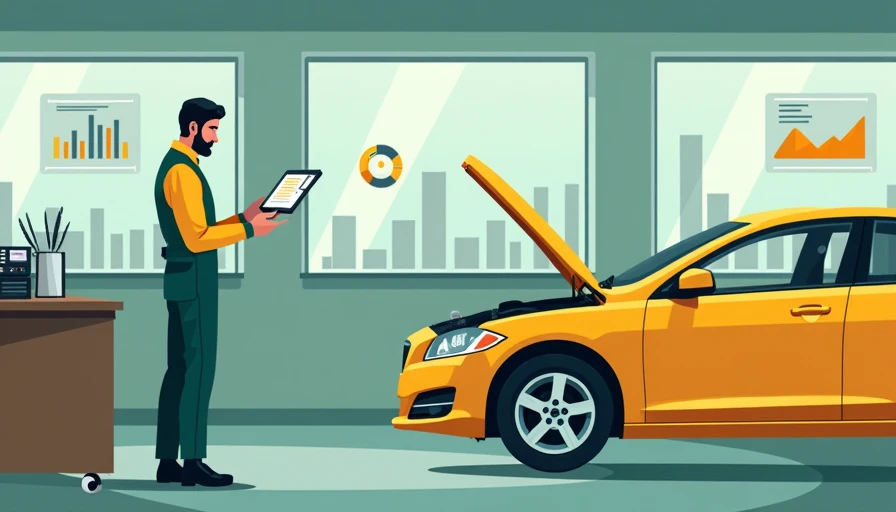
Only if the price reflects the risk and you're handy with a wrench. On many cars, the sensor is easy to reach — bolted to the front of the engine near the crank pulley. But on some, like a transverse V6 in a minivan, it's buried under the intake manifold. Labor can jump to four hours. If you're not comfortable doing the job yourself, factor in a mechanic's rate.
If the car is otherwise clean — solid service history, no body damage, good tires — a simple sensor replacement isn't a dealbreaker. But use it as a negotiating chip. Start by offering $500 below asking, citing the sensor. You'll likely meet in the middle.
Checklist: What to Ask Before Buying a Used Car with a Crankshaft Sensor Issue
Before you sign any papers, run through this checklist:
- **Has the crankshaft sensor been replaced?** If yes, ask for the repair receipt. If no, assume it's original and could fail soon.
- **Are there any OBD-II codes?** Use your own scanner. P0335 or P0336 are red flags. Even if the light is off, check for pending codes.
- **Does the car stall or hesitate during a long test drive?** Drive at least 20 minutes, including stop-and-go traffic. Let the engine get fully warm.
- **Is the check engine light on?** If it's off but the seller just disconnected the battery, the code might return after a few drive cycles.
- **What's the repair cost?** Get a quote from a trusted mechanic. On some cars, the crankshaft sensor is cheap and easy; on others, it's a major job. Use that quote in your negotiation.
- **Will the dealer fix it as a condition of sale?** Many will if you ask. If they refuse, factor the repair cost into your offer.
The Bottom Line on Crankshaft Sensors
A crankshaft sensor is a small part with big consequences. It's one of those items that can make a good used car look like a lemon if you don't know what you're seeing. But if you know the signs, it's also an opportunity to save money. Don't let a dealer brush off a stalling issue. Ask for the repair or a discount. And always test drive long enough for the problem to show itself. If the deal sounds clean, look for where they buried the dirt.