The old rule was simple: buy used, let someone else eat the depreciation, drive off smart.
That rule died somewhere around 2021. And it hasn't come back.
I've run the numbers on more car deals than I can count. Right now, in 2026, the gap between new and used is narrower than it's been in years. Sometimes used is the smart play. Sometimes new is actually less stupid. And sometimes both are bad and you should just fix what you already own.
Let me break down which is which.
Where Used Still Wins (Barely)
Three-year-old off-lease sedans and commuter cars. That's it. That's the list.
Think Honda Civic, Toyota Corolla, Mazda3. The stuff nobody gets excited about. These cars are coming off lease in decent numbers, and dealerships want them gone to make room for new inventory.
The math: A 2023 Civic LX with 36,000 miles is running about 22,000. A new 2026 Civic LX is22,000.Anew2026CivicLXis26,500. That's $4,500 saved for a car that's got 80% of its life left.
Why it works: These cars don't change much year to year. A 2023 Civic drives almost exactly like a 2026 Civic. You're not missing anything important.
The catch: You need to find one. They get snapped up fast. And the interest rate on a used car loan right now is 2-3% higher than new. That eats into your savings.
Verdict: Win for used, but barely. Run the numbers with your specific rate before you celebrate.
Where New Wins (And It Hurts to Admit)
Hybrids, trucks, and three-row SUVs.
I know. I hate it too. But the used market for these is completely broken.
Here's what I'm seeing on lots right now:
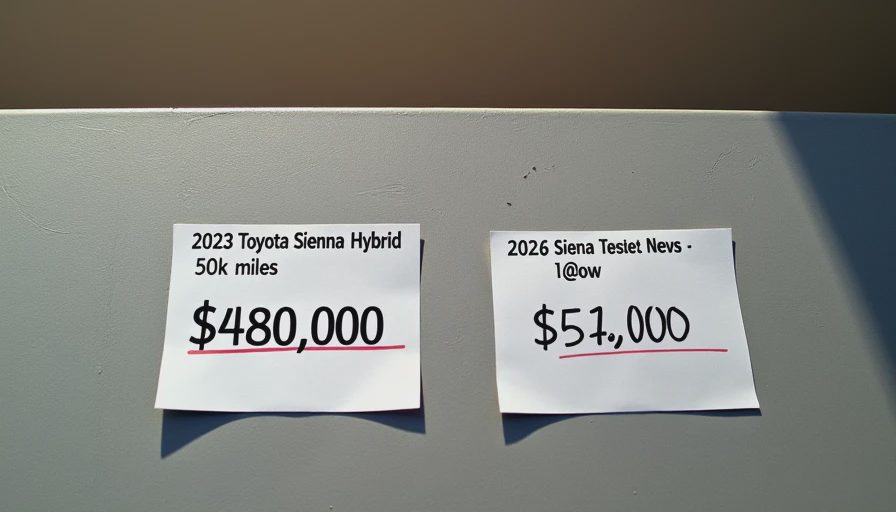
A 2023 Toyota Sienna Hybrid with 50,000 miles: $48,000
A brand new 2026 Sienna Hybrid: $52,000
You're saving four grand to buy a car that's already halfway through its warranty and has fifty thousand miles of someone else's coffee spills and sticky fingerprints.
That's not a deal. That's a trap.
Same story with the RAV4 Hybrid, the Honda Odyssey, and basically any truck that isn't beat to hell. Used prices are so close to new that you'd be insane to buy used unless you absolutely can't wait for new inventory.
The math: On that Sienna, the used one saves you 4,000 upfront but costs you 2% more on interest. Over a five-year loan, you end up saving maybe4,000upfrontbutcostsyou22,500 total. For a car with 50,000 miles and three fewer years of life left.
No thanks.
Verdict: New. And I can't believe I just typed that.
Where Neither Wins (Just Fix Your Car)
Here's the conversation I've been having with friends all year:
"You're thinking of spending 30,000 on a different car because your current car needs a30,000onadifferentcarbecauseyourcurrentcarneedsa2,500 repair?"
"Yes."
"That's insane. Fix the car."
I get it. A big repair bill feels like a sign. Like the car is telling you it's time to move on. But that's your emotions talking. The math says something else.
If your current car is otherwise reliable, fix it. A 3,000 repair every two years is still cheaper than a3,000repaireverytwoyearsisstillcheaperthana500 monthly payment. That's 6,000 a year for a new car versus6,000ayearforanewcarversus1,500 a year for repairs.
I've done this calculation for a dozen families. Only two of them actually came out ahead by buying new. The rest should have just fixed what they had.
Verdict: Neither. Go to a good independent mechanic and write the check.
The Wild Card: Certified Pre-Owned (CPO)
CPO used to be a joke. Pay more for a warranty you'll never use.
But in 2026? CPO actually makes sense on some cars.
The sweet spot is luxury brands that depreciate hard. A three-year-old Volvo or Audi CPO can be $20,000 less than new, with a warranty that goes longer than the original. That's real value.
For mainstream brands? Skip CPO. The markup isn't worth it. Just find a clean used car and set aside $1,500 for repairs. You'll come out ahead.
The Bottom Line for 2026
Here's your cheat sheet:
What you're buying | Smart move |
|---|---|
Boring sedan/commuter car | Used, 2-3 years old |
Hybrid, truck, 3-row SUV | New (I'm sorry) |
Luxury brand | CPO, 3 years old |
Your current car needs a repair | Fix it, unless it's falling apart |
The old rules are dead. You can't just say "buy used" anymore and feel smart about it. You have to run the numbers on the specific car you want.
But here's what hasn't changed: the worst financial mistake is buying more car than you need, whether it's new or used.
A 50,000 used car is still a50,000usedcarisstilla50,000 car. And a $30,000 new car is still thirty thousand dollars.
The question isn't new versus used anymore. It's "how much car do I actually need?"
Answer that first. Then worry about the year.
If the deal sounds clean, look for where they buried the dirt.