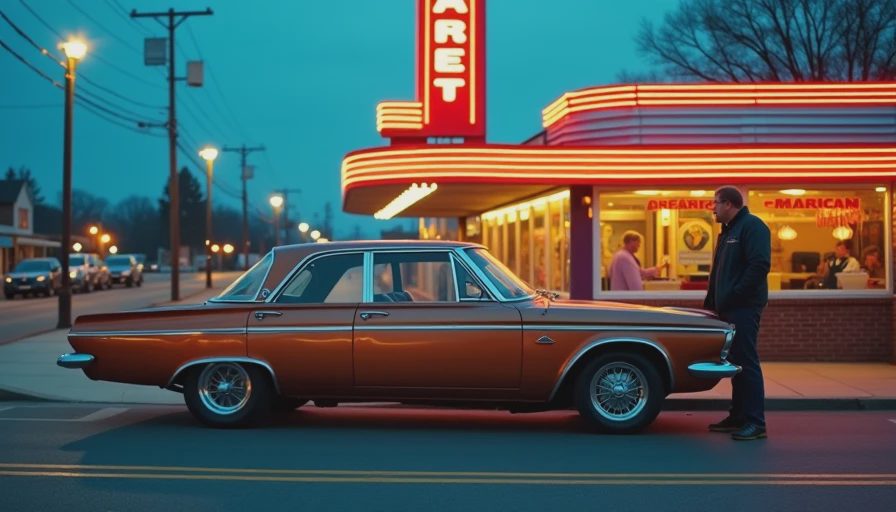
I’ve been around old iron long enough to know that a **1963 Dodge Dart** can be a solid classic car buy—or a money pit that leaves you cursing in a cold garage. This generation of Dart, the first year of the second-gen compact design, is often overlooked in favor of the more famous ’60s muscle cars. But if you’re looking for an affordable entry into classic car ownership, the **1963 Dodge Dart** has a lot going for it. You just need to know where the bodies are buried—literally, because this thing can rot in places you didn’t know existed.
I’ve appraised dozens of these cars over the years, and I’ve helped friends buy and sell them. Let’s walk through what makes a **1963 Dodge Dart** worth your time, what to avoid, and what price tags actually mean in today’s market.
Why the 1963 Dodge Dart Still Matters
In 1963, Chrysler redid the Dart as a clean, simple compact. It was meant to take on the Ford Falcon and Chevy II, and it did a decent job. Under the hood, you got either a 170 or 225 cubic-inch slant-six, or a 273 or 318 cubic-inch V8 if you ordered the optional performance package. The slant-six is legendary for running forever with basic maintenance. The V8s give you a lot of grin for not a lot of money.
What I like about the **1963 Dodge Dart** is that parts are still out there—sheet metal, trim, engine internals, even interior bits. It’s not like trying to restore a DeSoto. You can still get brake parts off the shelf at your local parts store, and the aftermarket support is good enough to keep one on the road without selling a kidney.
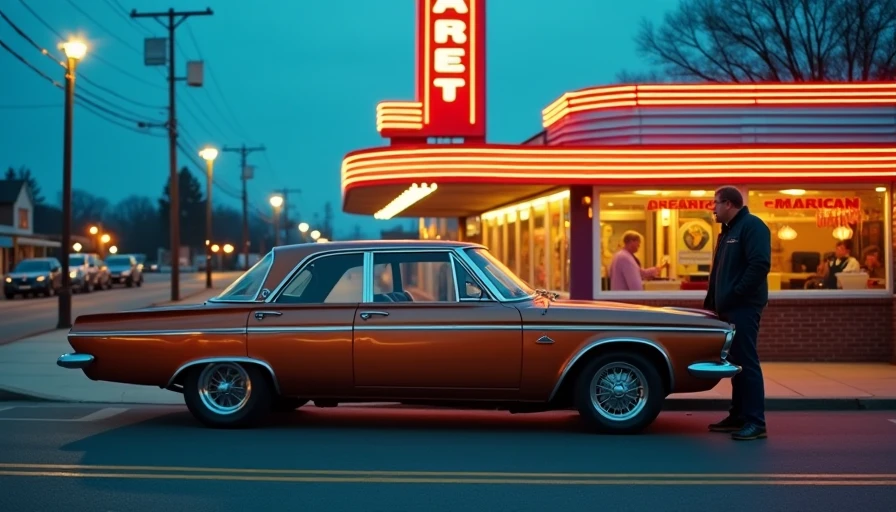
What to Look For When You Inspect a 1963 Dodge Dart
Rust is the number one killer of these cars. The floors, the rear quarters, the trunk drop-offs, and the lower cowl near the windshield are common problem areas. I’ve seen a **1963 Dodge Dart** that looked straight until you tapped the fender and the magnet fell through the bondo. Bring a magnet and a flashlight. Look under the carpet for rot. If the car has been in the Northeast or Midwest, assume the floors are Swiss cheese until proven otherwise.
Mechanical things are simpler. The slant-six is tough, but listen for bottom-end knock. The 225 has a habit of developing a noise from the timing chain if the oil was changed rarely. The V8s are strong, but the 318 two-barrel is the sweet spot for reliability and power. Check the transmission: the three-speed manual or the Torqueflite automatic are both good, but a slipping Torqueflite is a $1,500 rebuild.
Interior parts are harder to find than mechanical parts. Dash pads crack, seat foam disintegrates, and the door panels are often warped. You can buy reproduction seat covers, but the rest is mostly used or NOS. If the interior is shot, it might cost you $2,000 to $4,000 to make it decent again.
Pricing and Market Reality for the 1963 Dodge Dart
Market prices vary wildly based on condition, engine, and location. Here’s a rough breakdown from what I’ve seen at auctions and private sales:
- **Project car** (rusty, non-running, missing parts): $1,500 to $4,000
- **Driver-quality** (solid body, runs and drives, needs cosmetic work): $6,000 to $12,000
- **Nice example** (good paint, straight body, strong interior, sorted mechanicals): $12,000 to $18,000
- **Mint, numbers-matching V8, documented resto**: $20,000 and up
The V8 cars, especially any with the 273 4-barrel or even a factory 318, bring a premium. Convertibles are rare and fetch $25,000+ in good shape. But a plain-Jane slant-six sedan is a steal and a great driver.
I tell people not to overpay for a **1963 Dodge Dart** that has “patina” but drives like a tractor. Rust in the frame rails or torque boxes is a dealbreaker unless you know how to weld and have a lift. You can find decent cars for under $10,000 if you’re patient.

Common Problem Areas That Will Cost You
**Brakes**: The factory drum brakes are marginal, especially if you drive it daily. Plan to convert to front discs—that’ll run $800 to $1,200 with a kit from Scarebird or similar.
**Suspension**: The front end uses ball joints and bushings that are now 60 years old. If the car wanders, budget $400 for a rebuild kit plus labor.
**Electrical**: The original wiring gets brittle and can cause shorts. Replace the fusible link and check the alternator output. A dim headlight means bad grounds.
**Fuel system**: The gas tanks rust from the inside. If the car has been sitting, expect to replace the tank ($200), fuel lines, and rebuild the carburetor ($150 for a kit).
None of these are dealbreakers, but they add up. If you’re buying a **1963 Dodge Dart** for $8,000, set aside $2,000 for initial sorting.
Is a 1963 Dodge Dart Right for You?
If you want a classic that’s not a Mustang or Camaro and you like something that still turns heads at a cruise-in, this is a good call. The **1963 Dodge Dart** is reliable, cheap to maintain, and has enough style to make you feel like you’re driving something special. It’s not fast by modern standards, but it’s fun at 55 mph.
Cole’s rule: Buy the best example you can afford. A cheap project **1963 Dodge Dart** will cost you twice what you think to get it roadworthy. A solid driver for $10,000 will hold its value and cost you little more than gas and oil changes.
Drive one before you buy. Listen to the engine. Check the trunk. And if the deal sounds clean, look for where they buried the dirt. I’m Cole, and I’ll see you at the next show.