I’ve been on both sides of the car business: selling new cars and appraising used ones. One thing that never changes is how many people ignore tire pressure. It’s the cheapest, easiest thing to check, and yet the most neglected. An electronic tyre pressure gauge costs less than a tank of gas and can save you hundreds in tire wear, fuel, and safety headaches. I’m not exaggerating.
Most drivers rely on the dashboard TPMS light, which only blinks when pressure is already dangerously low. By then, you’ve been eating shoulder tread for a month. A simple gauge check every couple of weeks keeps you ahead of that. And I’m not talking about the little pencil-style gauge from the auto parts store—those are better than nothing, but they’re often inaccurate and hard to read in the dark.
The Difference Between a Pencil Gauge and an Electronic One
I keep a digital electronic tyre pressure gauge in my glovebox, and it’s one of those tools I use way more than I expected. The pencil gauge I had before was fine until I compared it to a proper digital unit. On three different tires, the pencil gauge read 2 to 4 PSI low. That’s enough to throw off handling and fuel economy. An electronic gauge gives you a precise reading to within 0.5 PSI, with a large backlit display you can actually see when you’re hunched over a wheel well at dusk. Most models auto-zero and remember your last reading, which matters when you’re checking all four tires in a rush.
How It Saved Me Money
Last year, I bought a used SUV for my wife—a three-year-old Pilot that looked clean on the lot. On the test drive it felt a little floaty, but I chalked it up to normal body roll. After I bought it, I checked the tires with my electronic gauge. All four were between 30 and 33 PSI when they should have been 36. The dealer had pumped them up just enough to get off the lot, but not to spec. Over the next year, properly inflated tires saved me roughly 3-4% on gas, which on a 15,000-mile commute at current gas prices is about $60-80 a year. Plus, the tires wore evenly instead of feather-edging the shoulders, which means I’ll get an extra year out of them. That $20 gauge paid for itself in a month.
What to Look for in an Electronic Tyre Pressure Gauge
Not all digital gauges are created equal. Here’s what I look for when I recommend one to readers:
- **Accuracy**: Look for ±1% or better. The best budget-friendly ones (like JACO’s ElitePro) claim ±0.5%. Avoid no-name Amazon specials with no spec sheet.
- **Backlight**: Non-negotiable if you check pressure at night or in dim garages. A blue LED is fine; orange is better for preserving night vision.
- **Auto-off**: Saves battery. Most decent models shut off after 30-90 seconds.
- **Chuck style**: A 360-degree swivel head makes it easier to reach valve stems on tight wheels. Also check that it fits both Schrader and Presta if you own bikes.
- **Range**: 0-100 PSI is standard. Don’t buy a gauge that only goes to 60 if you have a truck that runs 80 in the rear.
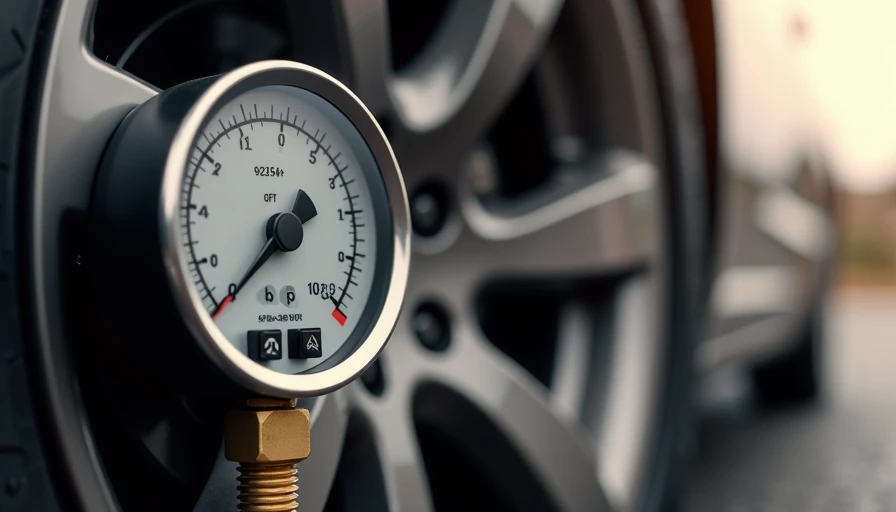
I own the AstroAI 100 PSI model, which costs about $15 on Amazon. It’s held up for three years, reads consistently within 1 PSI of my shop’s digital inflator, and lives in the door pocket of my old pickup. My go-to recommendation is the JACO ElitePro if you want something that feels more substantial and includes a storage case. Either way, get one with a hose rather than a rigid tip—those rigid tips can snap off or damage the valve core if you’re not careful.
The One I Keep in My Truck
My personal favorite is the JACO ElitePro. Why? Because it’s built like a tool, not a toy. It has a braided stainless hose, a brass chuck that actually seals, and a large backlit display I can read without glasses. I used it last weekend when my son’s go-kart tires felt low. The gauge confirmed they were down 6 PSI, which explained why he was sliding through the turn. We aired them up, and he shaved two seconds off his lap. That’s the kind of difference accurate pressure makes.
Don’t Trust That Dashboard Light—Here’s Why
Modern cars have TPMS (Tire Pressure Monitoring System), but it’s a lazy safety net. The light comes on only after pressure drops more than 25 percent below the recommended cold pressure. That’s roughly 8-10 PSI on most passenger cars. By that point, you’ve already been driving with underinflated tires, which generates excess heat and accelerates wear. Plus, TPMS doesn’t tell you which tire is low unless you have individual sensors (and many systems just show a generic light). An electronic tyre pressure gauge gives you the full picture in ten seconds.
So stop relying on the dash lamp. Spend twenty bucks, keep a gauge in every vehicle you own, and check pressure monthly. Your tires, your wallet, and your family will thank you. If the deal sounds clean, look for where they buried the dirt—and start with the air.