Most people walk a used car lot like they're shopping for produce. They look at the outside, peek inside, and if nothing smells funny, they ask for a test drive.
That's backwards.
By the time you're on the test drive, you've already done most of the deciding. The dealer knows it. You feel it. And that's when expensive mistakes happen.
Flip the order. Inspect first. Get attached later.
Here's how to walk any used car lot in 15 minutes and spot the cars worth avoiding—before you waste time driving something that's hiding problems.
Minute 1-3: The Parking Lot Recon
Don't walk straight to the car you saw online. Walk the whole lot first.
Look for:
Fresh paint on one panel but not the ones next to it. That's bodywork. Could be minor. Could be major. Either way, someone hit something.
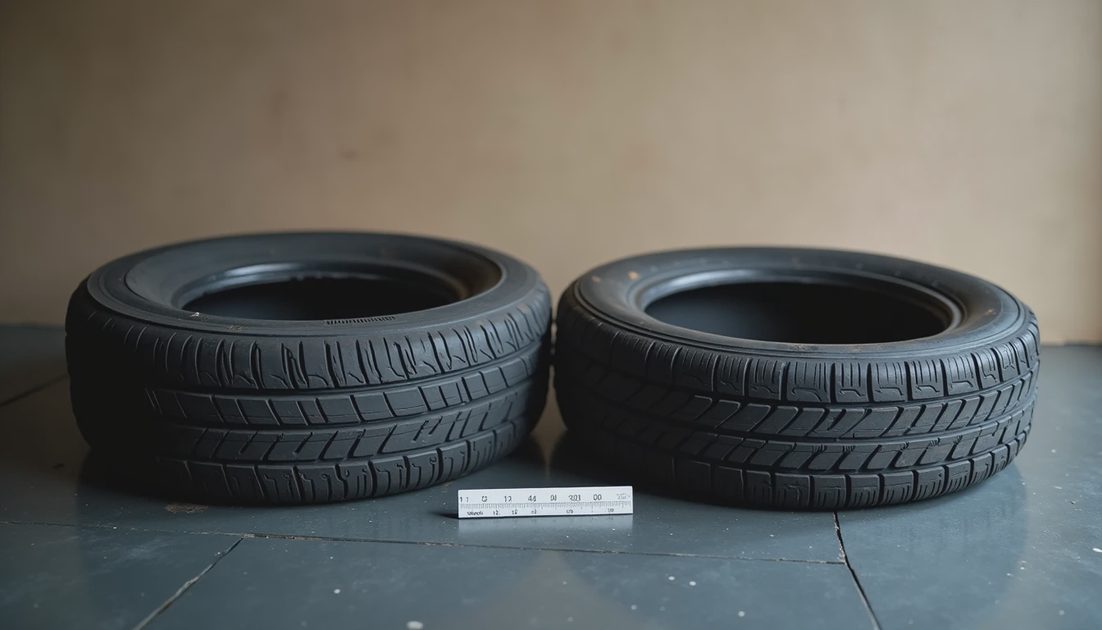
Mismatched tires. Different brands? Different tread depths? The previous owner couldn't afford four matching tires. What else did they skip?
Overly shiny tires and undercarriage. Some lots spray everything with cheap dressing to make old rubber and rusted metal look fresh. If the undercarriage looks wet and greasy, they're hiding something.
Skip the car if: It has mismatched tires or obvious panel repaints. Those are signs of a car that wasn't cared for.
Minute 4-7: The Panel Gap Test
Stand three feet back and look at the lines between body panels.
Hood to fenders
Doors to quarter panels
Trunk lid to rear body
The gaps should be even. Same width top to bottom. Same width left to right.
What uneven gaps mean: The panel has been removed and reinstalled. That happens after accidents. Not always a dealbreaker—a fender bender is fine. But if the gaps are off by more than a few millimeters, the repair wasn't done right.
Skip the car if: You can spot uneven gaps without squinting. Walk away.
Minute 8-10: The Door and Trunk Test
Open and close every door. Then the trunk. Then the hood.
They should close with a solid thunk—not a rattle, not a cheap clang, and definitely not a noise that sounds different from the other doors.
What a bad close means: The door has been realigned. That's sometimes normal wear. But if one door sounds completely different from the others, the frame could be tweaked. That's structural damage disguised with new hinges.
Also check: The rubber seals around each door. Peeling, cracking, or uneven wear means water's gotten in or will soon.
Skip the car if: One door sounds wrong or the seals are falling apart.
Minute 11-13: The Trunk Carpet Peek
Pop the trunk. Lift the carpet. Look at the spare tire well.
What you're looking for:
Standing water or moisture
Rust that doesn't look surface-level
Dirt or debris that suggests flooding
Tools that are missing or don't match the car
Skip the car if: You see water, rust, or anything that makes you think flood damage. Flood cars get dried out, detailed, and shipped across state lines. The spare tire well is where they usually forget to clean.
Minute 14-15: The Quick Walkaway Check
Before you ask for keys, do one last thing:
Kneel down and look at the gap between the front tires and the wheel wells. Same on both sides.
If one side has more space than the other? The suspension has been replaced—or needs to be. That's a $1,000+ repair.
Also check: The wear on the front tires. Inside edge wearing faster than the outside? Alignment is off. That's a $100 fix, but it tells you the previous owner didn't maintain the car.
Skip the car if: The suspension height is uneven. That car has stories it's not telling.
What to Do When You Find a Keeper
If a car passes these tests, great. Now you can take the test drive.
But here's what most people get wrong: the test drive isn't for falling in love. It's for verifying the car doesn't suck.
Test the brakes at low speed. Hit a bump. Listen for rattles. Turn the heat and AC all the way up. Check every button.
And remember—a clean inspection doesn't mean a perfect car. It just means the car isn't hiding obvious problems. You still need a mechanic's pre-purchase inspection before you hand over money.
But these 15 minutes will save you from wasting time on the cars that aren't worth driving at all.
And time is money. Especially when the dealer is watching you fall in love.
If the deal sounds clean, look for where they buried the dirt.