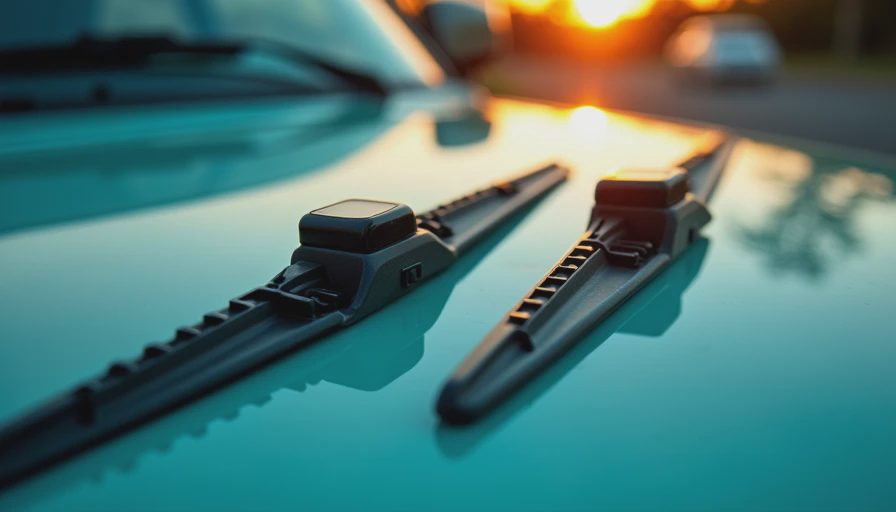
Let’s be honest—nobody thinks about wiper blades until they’re staring through a smear of water at 60 mph on I-85. I’ve been there, and I’ve wasted money on cheap blades that lasted two months before chattering like a dying bird. So when someone asks me for the **best wiper blades**, I don’t just rattle off a brand name. I think about what matters: visibility, durability, and the kind of performance that doesn’t quit halfway through a Carolina thunderstorm.
After years of testing blades on my own cars—a three-year-old SUV for family duty and an old pickup I refuse to retire—I’ve settled on a short list of contenders that actually earn the title. Below, I’ll walk you through the options, the tech, and the one blade I’d buy tomorrow if mine started smearing. Because the **best wiper blades** aren’t the most expensive; they’re the ones that work when you need them most.
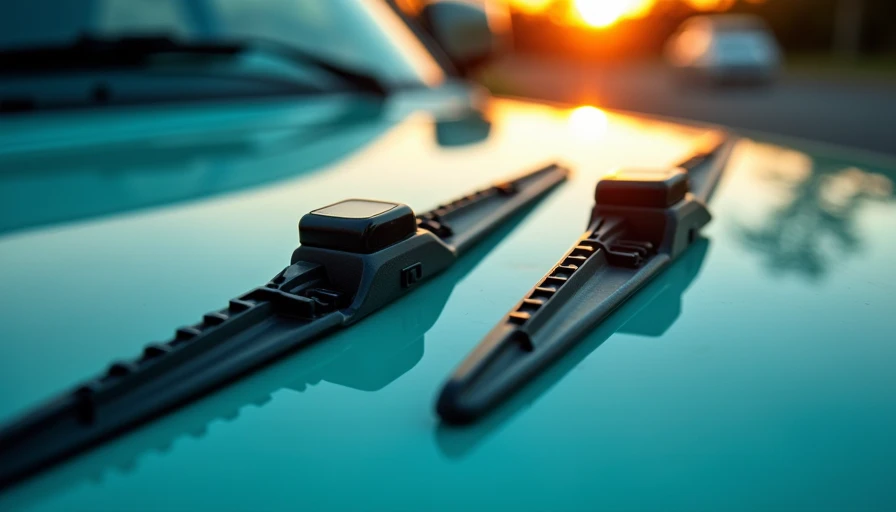
What Makes a Wiper Blade “Best”?
Before we get into names, let’s talk about what separates a good blade from a frustrating one. The **best wiper blades** do three things well:
- **Even pressure across the curve of your windshield.** Cheap blades have a few contact points; premium blades use a beam or hybrid design to press evenly. That kills streaks and skipping.
- **Durable rubber that resists heat and UV.** Parked outside in a southern summer? Most rubber hardens in months. Good blades use silicone or coated natural rubber to stay flexible.
- **An aerodynamic shape that lifts at speed.** At highway speeds, wind can push blades off the glass. The **best wiper blades** are designed to use that airflow to keep them planted.
If a blade misses any of those, it doesn’t belong in a conversation about “best.” Period.
The Top Contenders I Actually Trust
I’ve run blades from Bosch, Rain-X, PIAA, Michelin, and a few store-brand surprises. Here’s the short version.
**Bosch Icon** – This is the benchmark. The Icon uses a beam design with a dual-rubber compound—one layer for clearing water, another for durability. I’ve had a set last 18 months in Charlotte weather before needing replacement. It’s quiet, consistent, and works in snow. If you want the **best wiper blades** without overthinking, buy the Icon.
**Rain-X Latitude** – Rain-X built their rep on water-repellent treatments, and their blades carry that tech. The Latitude is a beam blade coated with a hydrophobic material that beads water. It’s good, but the coating wears off after a few months. Still, for the first couple of months, it’s impressive. A solid contender for “best” if you like the water-beading effect.
**PIAA Super Silicone** – These are more expensive and use silicone rubber. Silicone lasts longer than natural rubber, but it can be a bit stiff in cold weather. The trade-off: extreme longevity. I’ve seen these go two years without streaking. If you hate changing blades, these might be the **best wiper blades** for you.
**Michelin Stealth Ultra** – Michelin doesn’t get the same buzz, but their Stealth Ultra is a well-balanced hybrid blade. Not as refined as the Icon, but cheaper and reliable. Good for budget-conscious buyers who still want a premium feel.

Blade Types: Beam, Hybrid, or Conventional?
You’ll see three designs on the shelf. Here’s how they stack up:
- **Conventional** – Cheap, light, and universally fitted. But they have multiple pressure points and wear unevenly. Avoid unless you’re on a tight budget and replace often.
- **Beam** – A single piece of rubber tensioned by a metal spine. The **best wiper blades** are almost always beams. They apply even pressure, resist ice buildup, and look clean. Bosch Icon and Rain-X Latitude are beams.
- **Hybrid** – A beam body with a plastic shell for aerodynamics. They combine beam performance with a more traditional look. Good middle ground, but I still prefer pure beams for snow.
For most modern cars, a beam blade is the right answer. If your car has a curved windshield, the beam’s flexibility is critical. So when I say the **best wiper blades** are beams, I mean it.
My Pick for the Best Wiper Blade Overall (and a Runner-Up)
After all that testing, here’s my honest recommendation:
**Winner: Bosch Icon** – It’s the most consistent, longest-lasting beam blade I’ve used. The dual-rubber compound works in rain, snow, and sun. Installation is straightforward, and they fit almost every vehicle with a J-hook or pin-arm. If you can only buy one set, buy the Icon.
**Runner-up: PIAA Super Silicone** – If you live somewhere with mild winters and want to change blades every two years instead of every year, the PIAA is worth the premium. Just accept that they might chatter on frosty mornings until they warm up.
How to Install Them (and Not Strip the Arm)
Don’t overthink installation. Most modern blades use a simple J-hook or pin connector. Here’s the trick:
- Lift the wiper arm away from the glass until it locks (usually at about 90 degrees).
- Press the release tab on the old blade and slide it downward.
- Attach the new blade by pushing it onto the hook until you hear a click.
- Gently lower the arm back onto the windshield—don’t let it snap down or you’ll crack the glass.
Pro tip: Replace both blades at the same time, and clean the glass with a microfiber cloth before installing the new ones. It prevents early streaking.
Final Thoughts
Spending $20–30 per blade is better than fighting with $10 junk that fails in a year. The **best wiper blades** aren’t a luxury; they’re a safety item. Bosch Icon is my go-to, but PIAA and Rain-X have their places. Now that you know what to look for, go clean your windshield and swap those worn-out blades. Your next downpour will thank you.