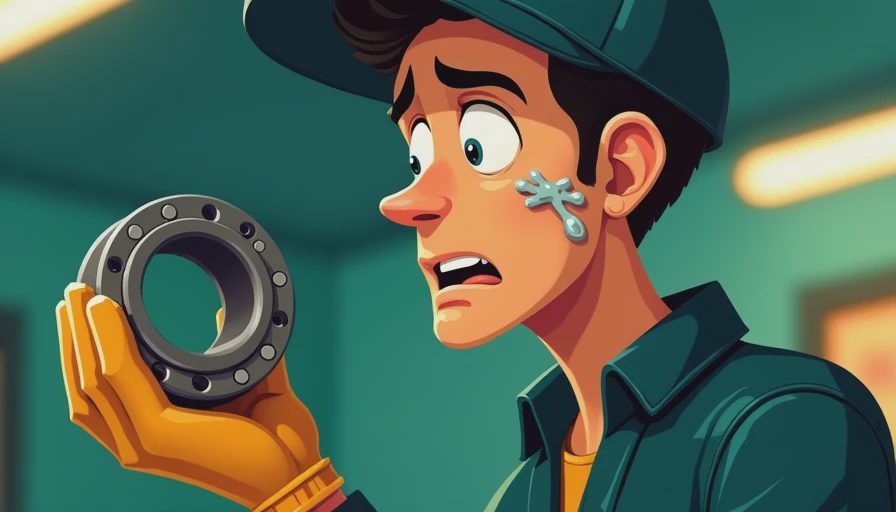
If you've started hearing a low hum that changes pitch as you turn, chances are a wheel bearing is on its way out. And the first question that pops into most drivers' heads is: *what's the wheel bearing replacement cost?* It's a fair question, because ignoring that noise can turn a $300 job into a $1,500 mess. I've been on both sides of the service counter, and I can tell you the price depends on more than just the part itself.
On average, replacing a single wheel bearing at a shop will run you between $250 and $800 per corner. That's a wide range, I know. The exact cost depends on your vehicle's make and model, whether the bearing is a press-in unit or a hub assembly, and the shop's labor rate. For a mainstream sedan like a Honda Accord or Toyota Camry, expect closer to $300–$450 per side. For a luxury SUV or a truck with a bolt-on hub assembly, you might be looking at $600–$800. And if you drive something German? Bring a thicker wallet.
What Determines the Cost?
Labor is the biggest chunk. A front-wheel-drive car usually needs the knuckle removed and the bearing pressed out—that takes time. Rear-wheel-drive cars and many trucks have a simpler bolt-on hub that speeds things up. Labor rates range from $100 to $200 an hour depending on the shop. A dealer will charge at the high end; an independent shop you trust will be more reasonable.
Parts are the second variable. A basic wheel bearing assembly for a common car costs $50–$150 at an auto parts store. But some manufacturers, especially European ones, sell the bearing only as part of a whole hub, which can cost $200–$400. Then there's the markup: shops typically charge 1.5–2x what they pay for the part. You can save some money by buying the part yourself and asking a shop to install it, but many shops won't warranty the work if you supply the part.
Signs You Need a Replacement
Don't wait until a bearing fails completely. Listen for a rhythmic humming or droning that gets louder when you turn one direction and quieter when you turn the other. That's the classic sign. You might also feel a vibration in the steering wheel or floorboard. Some cars will trigger an ABS warning light if the bearing's magnetic encoder is damaged. If you jack up the car and grab the wheel at 12 and 6 o'clock, any wobble means the bearing is shot. At that point, the wheel bearing replacement cost is the least of your problems—you're about to lose a hub.
Should You DIY or Hire a Pro?
If you're mechanically inclined and own a press or a heavy-duty socket set, swapping a wheel bearing yourself can cut the cost in half. You'll pay for the part and maybe a rental tool. But bear in mind: seized bolts, rust, and the need for a press can turn a weekend job into a nightmare. I've seen guys beat on a spindle for hours and end up having the car towed to a shop anyway. Unless you've done it before and you know what you're dealing with, I'd recommend paying a professional. The extra $200–$300 for labor is worth not having your car stuck on jack stands.
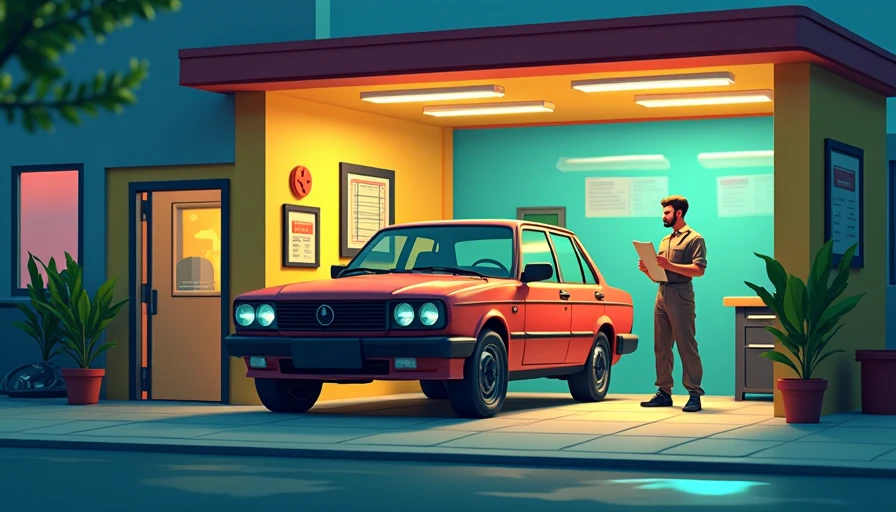
How to Avoid Getting Overcharged
Start by getting three quotes—an independent shop, a chain like Firestone or Pep Boys, and maybe a dealer if your car is still under warranty. Ask specifically for the wheel bearing replacement cost, including parts and labor, and whether they use OEM or aftermarket parts. Aftermarket bearings from brands like Timken, SKF, or Moog are often just as good as OEM for half the price. Also ask if the quote includes an alignment. If a bearing job involves removing the hub, an alignment is often recommended, but it's not always included. That can add another $100–$150.
Another trick: if you're quoted a suspiciously low number, ask if they're replacing the whole hub assembly or just the bearing. Some shops quote a cheap price for the bearing alone, then hit you with extra labor when the old bearing won't press out cleanly. A flat-rate quote for a complete hub assembly avoids that surprise.
What Happens If You Ignore It?
A failed wheel bearing doesn't just make noise—it can seize up, lock the wheel, or even cause the hub to separate from the car. That's dangerous at highway speeds. And it's expensive to fix after the damage spreads to the knuckle or axle. The wheel bearing replacement cost is a small price to pay for keeping you and your family safe. Don't put it off.
Look, nobody likes spending money on repairs, especially on something that doesn't make the car faster or look cooler. But a bad wheel bearing is one of those things that only gets worse—and more expensive. Get it done before it gets you. A fair shop, a quality part, and a few hundred bucks is all it takes to keep that hum from turning into a bang.