You walk in with a number in your head. $12,000 for your old SUV. Clean inside. New tires. You've done the KBB thing. You know what it's worth.
The salesperson looks at it. Walks around. Nods.
"We can probably get you to $11,500 on that trade."
Not great. But close. You'll work on it.
Three hours later, after the test drive, the negotiation, the waiting, the back-and-forth—that trade offer has somehow become $9,800.
What happened? The car didn't change. You did.
Here's why your trade-in always gets softer the longer you sit there. And how to stop it.
The Clock Is Their Best Sales Tool
Dealerships know something most buyers forget: you want to leave.
Not in a mean way. You just have a life. Kids to pick up. Dinner to make. A babysitter who needs to go home. The longer you sit in that plastic chair, the more you're willing to pay to make it stop.
The trade-in is the easiest place to quietly adjust the deal without you noticing.
They start with a decent offer. Then, over hours of "checking with the manager" and "running the numbers," that offer slowly drifts down. Not all at once—that would be obvious. Fifty dollars here. A hundred there. By the time you sign, you've lost $2,000 and barely felt it.
You're just relieved to be done.
I've seen it a hundred times. The customer walks in confident. Leaves exhausted. And the trade-in is where they lost.
How the Softening Happens
There are three ways dealers soften your trade without you noticing.
Method one: The "we need to recondition it" adjustment.
After the initial offer, they'll find things. A scratch they missed. Tires that are "lower than we thought." A check engine light that came on when they moved it (it didn't). Each find knocks a few hundred off.
Method two: The moving numbers game.
They agree to come down on the new car price. Great. Then they quietly adjust the trade offer downward by the same amount. You think you won. You didn't. The total deal hasn't changed.
Method three: The end-of-day fatigue special.
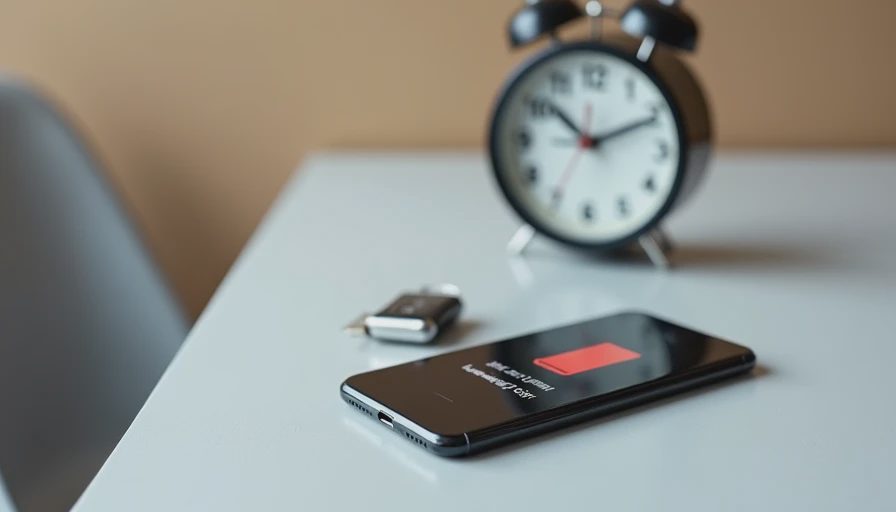
You've been there for hours. You're hungry. Your phone is dying. The finance manager is explaining something about gap insurance. When they finally bring out the trade number again, it's lower. But you don't have the energy to fight anymore. You sign.
What the Sales Floor Knows That You Don't
Here's the ugly truth from my time behind the desk:
We could usually tell within five minutes if you were going to be a "long deal." The ones who asked every question. Checked every number. Wouldn't let go of their trade value.
And we had a playbook for exactly those people.
Make them wait. Check with the manager. Print the wrong numbers. "Accidentally" lose the trade appraisal. Each delay costs you energy. Each energy loss makes you softer.
The customer who walks in and says "I need to be out of here by 5pm for school pickup"? That customer just lost $1,000 on their trade. They just don't know it yet.
How to Keep Your Trade Firm
The fix is simple. But you have to do it before you walk in.
Step one: Get your trade appraised somewhere else first.
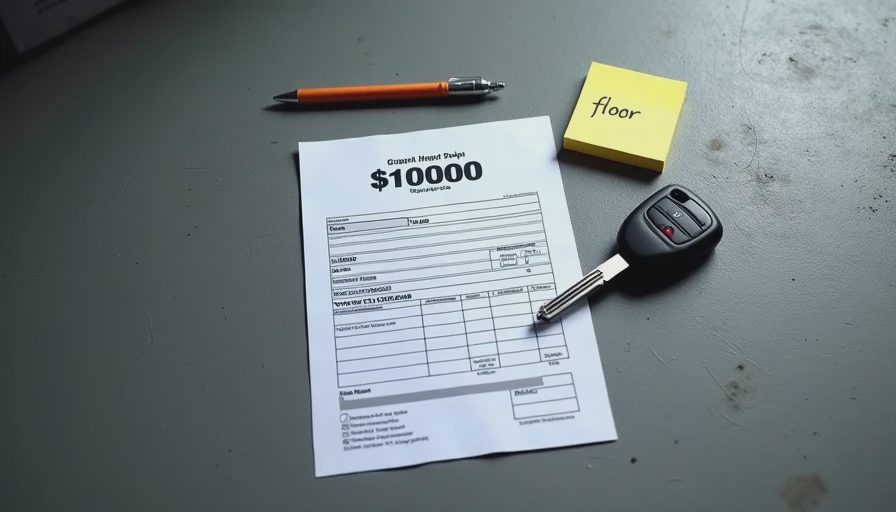
Carmax. Carvana. A local dealer who sells your brand. Get a written offer. Not a ballpark. An actual piece of paper with a number and an expiration date.
Now you have a floor. No matter what happens at the dealership, you know you can get that number today. That changes everything.
Step two: Separate the trade from the new car.
Negotiate the new car price first. Get it in writing. Then, and only then, say "here's my trade, what will you give me?"
If they try to combine them, stop them. "Let's do the new car price first. Then we'll talk trade."
Step three: Set a time limit.
Before you sit down, tell the salesperson: "I have to leave by 4:30." Set an alarm on your phone. When it goes off, stand up.
You don't have to be rude. Just stand up. "I need to go. Here's my number on the trade. Call me if you can get there."
Suddenly, the softening stops. Because the clock is now working for you.