A clean car is not a good car.
I learned this in my first month as an appraiser. A car would roll onto the lot looking gorgeous. Fresh wash. Tire shine so thick you could eat it off the rubber. Interior smelled like a rental car's air freshener convention.
Then I'd put it on the lift.
And the truth would come out.
Here's what cosmetic reconditioning actually hides. Not dirt. Danger.
The Undercarriage Spray-Down
Nothing scares a used car buyer like rust. So lots make it disappear.
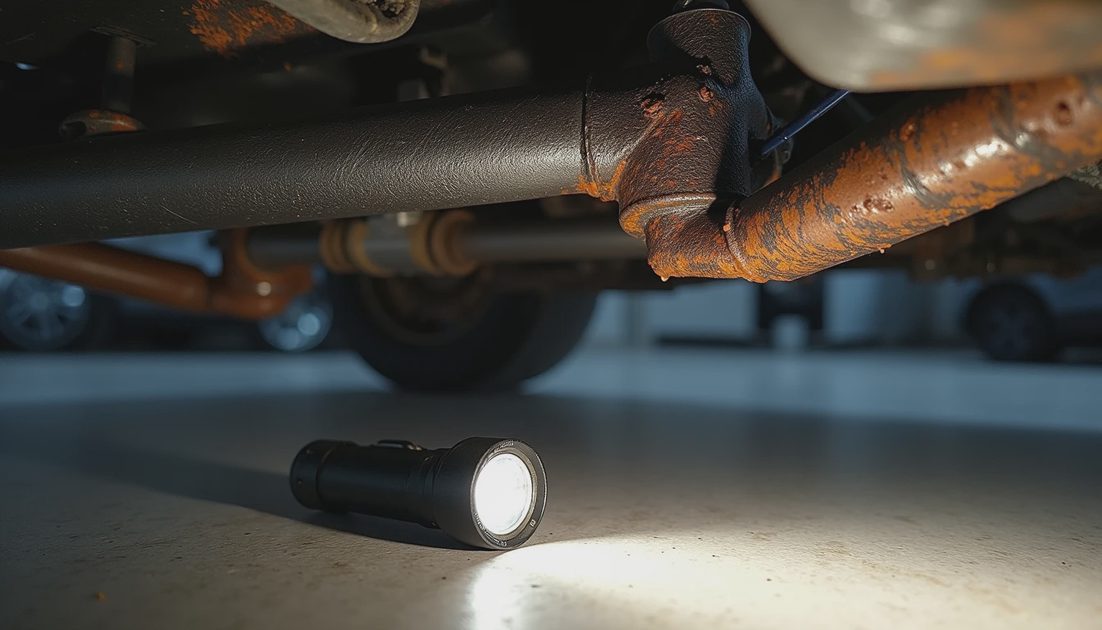
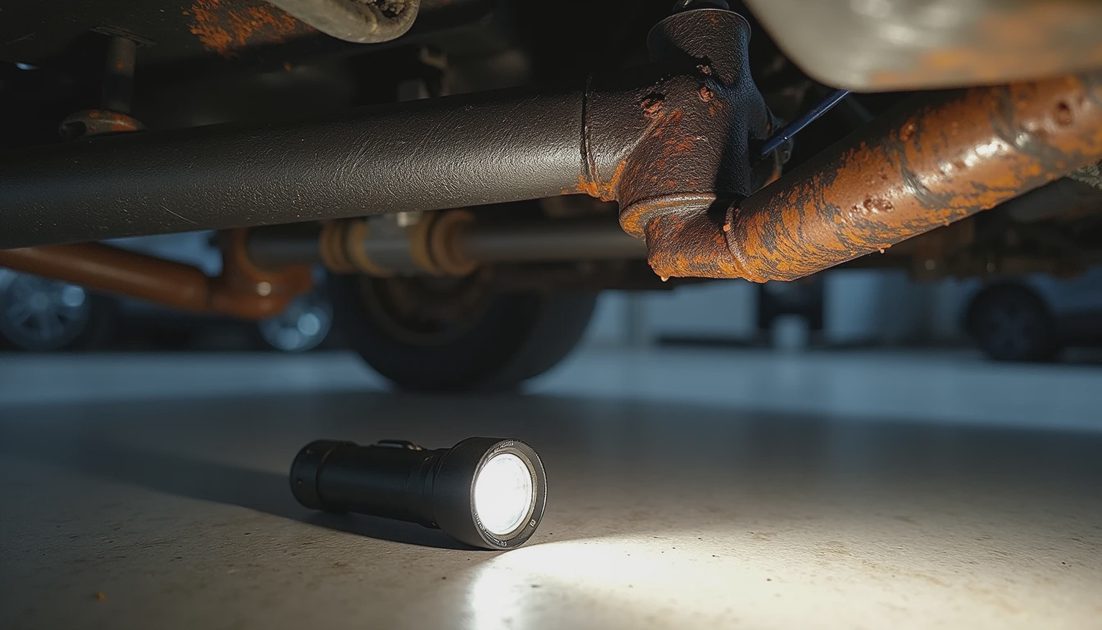
They spray the entire underside with cheap black paint or heavy oil-based dressing. From a distance, it looks clean. Uniform. Like someone cared.
From underneath on a lift, it looks like a crime scene.
The dressing traps moisture against metal. Rust keeps growing under the paint. You just can't see it. Yet.
What to do: Bring a flashlight. Crawl under the car. Look past the black goo. Tap suspension parts with your knuckle. Rusty metal sounds dull. Solid metal rings. If you can't get under it, walk away.
The Engine Bay Detail
A clean engine is beautiful. A cleaned-for-sale engine is suspicious.
Lots spray degreaser and high-pressure water into every crevice. It blasts away oil leaks, dried coolant, and caked-on grime. The engine looks brand new. The valve cover could still be leaking. You'll never know until you drive it 500 miles and see the first drop on your driveway.
Worse, high-pressure water forces moisture into electrical connectors, alternators, and fuse boxes. That car might run fine today. Tomorrow? Check engine light.
What to do: Look for even, consistent dust, not surgical cleanliness. A properly maintained car has light dust and maybe a tiny bit of seepage around the valve cover. A degreased engine has no dust, wet-looking rubber hoses, and water spots on plastic covers.
Ask: "When was this engine cleaned?" If they say today or yesterday, ask why.
The Tire Shine Fog
Thick, wet tire shine makes tires look new. It also hides cracks.
A tire's sidewall weathers over time. Small cracks appear between the tread blocks. Dry rot starts at the base of the tread. None of that is visible under a coat of greasy gloss.
I've seen tires that were seven years old—legally dangerous—that looked showroom fresh after twenty seconds of spray.
What to do: Wipe your finger across the tire sidewall. If black goo comes off, ask them to wash it. Come back tomorrow. Or better, look at the four-digit date code on the sidewall. The last two digits are the year. If they're more than six years old? Replace them. Or walk.
The Interior Steam Shampoo
That fresh, vaguely fruity smell isn't clean. It's cover-up.
Steam shampooing removes stains and odors. It also removes evidence. Coffee spills that soaked into the rear seat foam. The faint smell of cigarette smoke that's been steamed but not removed. The sticky residue from a kid's juice box that's now hiding under the surface, waiting to mold.
And here's the thing—steam doesn't remove water damage from flood cars. It just makes the carpet look fluffy.
What to do: Pull back a corner of the carpet in the trunk or under the rear seat. Look for water stains, rust, or dried mud. Press your hand into the seat foam. Does it feel damp? Smell the headliner. Does it smell like fragrance trying to cover something else?
The Touch-Up Paint Pen
Small scratches get filled. Rock chips disappear. Door dings vanish.
That's fine when it's honest. It's not fine when they're hiding accident damage.
A broken headlight tab that's been glued. A cracked bumper cover that's been filled and blended. A quarter panel that was dented and filled with half an inch of body filler. From ten feet, it looks perfect. From two inches, you can see the tape line.
What to do: Look at body panels in direct sunlight from an angle. Run your palm over the paint. Does it feel wavy? Bumpy? Check the gaps between panels. Are they even? A repainted panel almost never matches the factory orange peel texture exactly.
The Air Freshener Gambit
The little tree hanging from the mirror isn't for your enjoyment.
It's there so you don't smell the car.
Mold from a leaky sunroof. Cigarette smoke that won't steam out. The faint must of a car that sat in damp storage. An air freshener masks all of it for about the length of a test drive.
What to do: Ask them to remove the air freshener before you drive. If they hesitate, you have your answer. Then let the car sit with the windows up in the sun for ten minutes. Then open the door and smell. Your nose knows.