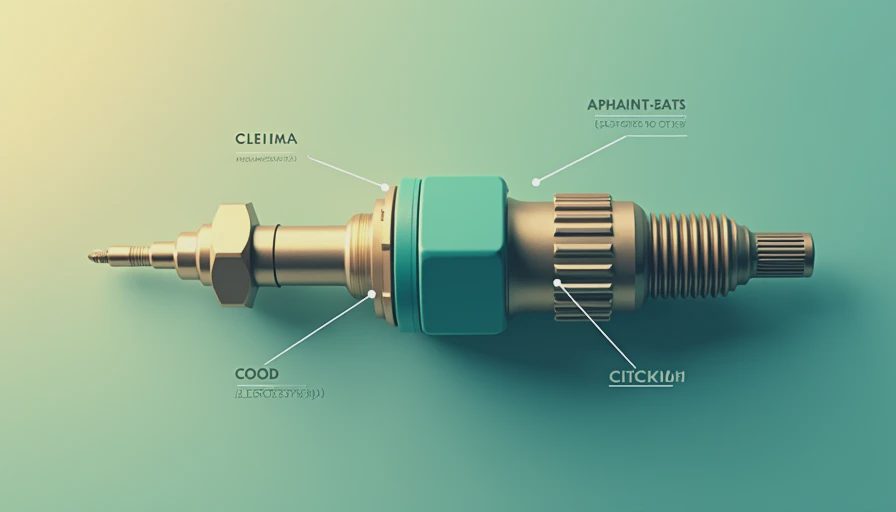
If your car stalls for no reason, cranks but won't fire, or starts missing like a cheap fireworks show, there's a good chance the crankshaft position sensor is the problem. This little electronic module sits near the bottom of the engine and tells the ECU exactly where the crankshaft is in its rotation. No signal, no spark. No spark, you're calling a tow truck.
I've seen more than a few people throw parts at a no-start before they finally give in and swap the crankshaft position sensor. A $60 sensor beats a $200 tow and a wasted Saturday. Let me walk you through what this sensor does, how to spot a bad one, and what you'll pay to get it fixed right.
What Does a Crankshaft Position Sensor Do?
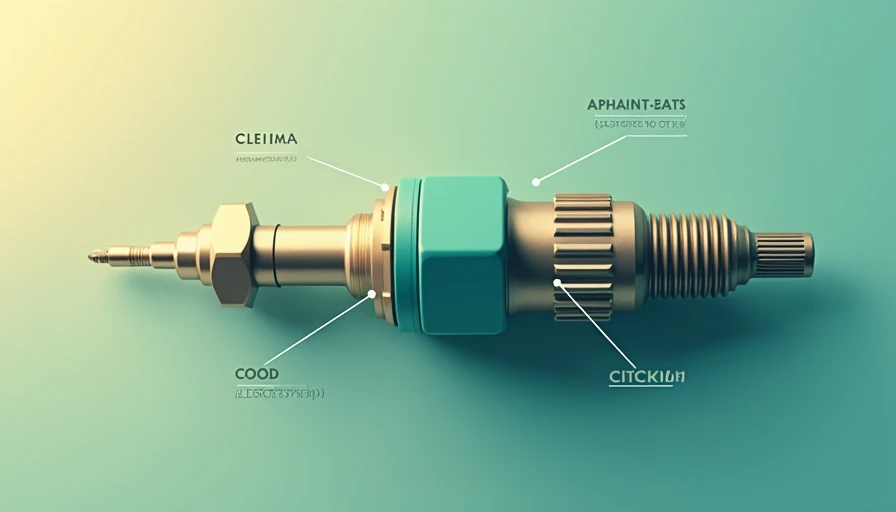
The crankshaft position sensor is basically the engine's timing clock. It reads a reluctor wheel on the crankshaft and sends a voltage signal to the engine control unit. The ECU uses that signal to decide when to fire the spark plugs and when to squirt fuel. If the signal drops out or gets flaky, timing goes to hell. The engine might still run, but it'll run like a lawnmower with a bad plug wire.
Most modern cars use a magnetic or Hall-effect sensor. They're sealed, maintenance-free, and usually last 100,000 miles or more. But heat, vibration, and oil contamination can kill them early. I've pulled sensors out of GM trucks that looked like they'd been baked in an oven. Plastic cracked, terminals corroded, no wonder the truck wouldn't start.
Symptoms of a Bad Crankshaft Position Sensor
A bad crankshaft position sensor doesn't always give you warning lights or clear codes. Sometimes it just quits. Here's what to watch for:
- **Intermittent stalling:** The engine dies while driving, then restarts after a few minutes. That's the sensor failing when hot.
- **No-start condition:** Cranks strong, fuel pump primes, but no fire. Classic sensor failure.
- **Rough idle or misfire:** The signal is weak or erratic, so the ECU advances or retards timing randomly.
- **Check Engine Light** with codes P0335, P0336, or P0340 (though those also cover camshaft sensors).
I had a customer bring in a 2010 Ford Explorer that would stall at stoplights. Everybody said throttle body, idle air control, fuel pump. I scanned it, saw crank sensor correlation codes, swapped the sensor for $85, and the truck ran perfect. That's the kind of fix that makes you look like a hero.
How to Diagnose a Crankshaft Position Sensor
Before you buy a sensor, do some basic diagnosis. A scan tool with live data will show you the crankshaft RPM reading. If it drops out or jumps wildly while cranking, the sensor is likely bad. A multimeter can test resistance on a magnetic sensor, but on modern Hall-effect sensors, the easiest test is swapping in a known good one.
Don't automatically trust codes, though. A bad wiring harness or a loose connector can mimic a dead sensor. Check the plug first. I've seen broken wire insulation inside the harness sheath that only shows up when you wiggle the loom.
Cost to Replace a Crankshaft Position Sensor
Here's the part everyone wants to know. The crankshaft position sensor itself runs from $25 to $150 for an OEM or quality aftermarket unit. A cheap Chinese sensor from eBay might be $12, but don't do it. I've replaced too many of those with genuine Delphi, Bosch, or ACDelco parts. Labor depends on location. Some sensors are right on top of the bellhousing and take ten minutes. Others are buried behind the starter or under the intake manifold. Expect one to two hours of shop time at $100–$150 per hour. Total job: $150 to $400.

DIY or Shop?
If the sensor is easy to reach (front of engine, near the harmonic balancer or transmission bellhousing), you can do it yourself with basic hand tools. If it's behind the intake or requires removing the starter, let a shop handle it. My rule: if you can see it and touch it without removing anything major, go ahead. If you need a mirror and a swear jar, pay the mechanic.
Preventing Future Problems
There's no scheduled maintenance for a crankshaft position sensor. But keeping the engine clean of leaks and avoiding excessive heat can extend its life. If you replace one, use a quality brand. I've seen aftermarket sensors fail within a year. The OEM sensor from the dealer might cost more, but it's often the last one you'll buy for that car.
Final Thoughts
The crankshaft position sensor is one of those parts that can leave you stranded without warning. But it's also one of the cheapest, easiest fixes for a no-start or stall issue. If your car acts up and you've already checked the basics (battery, fuel, spark), don't overlook this little sensor. Spend a few minutes with a scan tool or a multimeter, and you might save yourself a tow bill and a headache.
If the deal sounds clean, look for where they buried the dirt. In this case, the dirt is a $60 sensor that a shop will charge you $400 to swap. Know what you're dealing with, and you'll come out ahead.